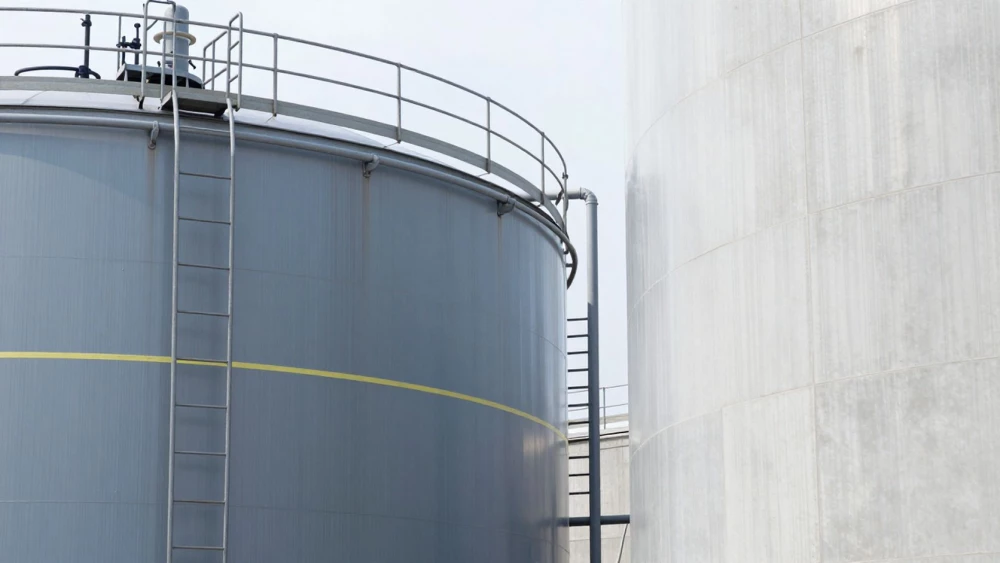
Chemical Resistant Tank Linings
Get in TouchAt Chemical Resistant Coatings, we specialise in applying chemical resistant tank linings. These linings offer superior protection against corrosion, preventing leaks and extending the lifespan of tanks used for storing aggressive chemicals.
Our solutions cater to various tank materials, including steel and concrete, and are fit for industries such as chemical processing and wastewater treatment. By safeguarding your tanks, we help maintain both the integrity and safety of your operations.
Contact us today to discuss your requirements and ensure your facilities are up to standard.
Book Chemical Resistant Tank Linings Today
How Much Do Chemical Resistant Tank Linings Cost?
Chemical resistant tank linings typically cost between £50 and £150 per square metre. The price depends on several factors, including the type of chemical stored, the tank's material, and the lining specification required.
Different chemicals, such as sulphuric acid or sodium hydroxide, demand various coating properties to ensure safety and durability. Some tanks might require epoxy linings while others might benefit from vinyl ester resins, each chosen for its resistance to specific chemical interactions.
Additionally, tanks used in food processing may need to comply with FDA and EU regulations, while those in industrial settings might adhere to ISO standards. High-corrosion environments may require more robust systems, increasing the cost.
Typically, the application process, including surface preparation and curing time, can span one to two weeks. For an accurate quote tailored to your needs, we recommend getting in touch for a detailed survey.
How Long Does the Application of Chemical Resistant Tank Linings Take?
The application of chemical resistant tank linings usually takes around three to five days, depending on the tank size and complexity. We begin with a thorough surface preparation, including abrasive blasting to remove contaminants and ensure a clean slate for adhesion.
Any existing damage must be repaired using methods such as metal stitching or epoxy fillers, which effectively restore structural integrity.
Once the surface is ready, we apply the lining using plural component spray equipment, which allows for precise mixing and application of materials like epoxy or polyurethane. Maintaining optimal temperature and humidity control during application is essential to achieve uniform curing.
Proper curing is necessary, and tanks can often return to service within 48 hours post-application due to the use of curing accelerators or heat lamps. It's essential to allow adequate time for each stage to ensure the lining's effectiveness.
If you have specific requirements or questions, contact us for more detailed information.
What Are the Benefits of Chemical Resistant Tank Linings?
Using chemical resistant tank linings offers several key advantages for various industries, including petrochemical, pharmaceutical, and water treatment facilities. These linings are typically made from materials such as polypropylene, epoxy, and rubber, which are selected based on the specific chemicals stored.
Corrosion Protection: These linings form a barrier that prevents damage from corrosive chemicals, complying with standards like BS EN 14879 to ensure resilience against aggressive environments.
Leak Prevention: By sealing potential weak points, linings minimise the risk of environmental contamination, protecting both the facility and surrounding ecosystem.
Extended Tank Lifespan: With a correctly applied lining, the longevity of your tanks can increase significantly, often adding years to their service life, thus reducing the need for frequent replacements.
Operational Reliability: A well-maintained lining ensures continuous and safe operations, avoiding costly downtime and repairs due to chemical breaches.
Contact us today to enhance your facility's safety and performance.
What Regulations Apply to Chemical Resistant Tank Linings?
Chemical resistant tank linings must comply with UK standards to ensure safety and environmental protection. BS EN 13121 (GRP Tanks and Vessels for Use Above Ground) often applies, depending on the tank type and contents.
Additionally, the Health and Safety Executive (HSE) guidelines require adherence to proper installation and maintenance practices to prevent leaks and hazardous spills. Tanks storing volatile or hazardous chemicals often need compliance with COSHH (Control of Substances Hazardous to Health) regulations.
The Environment Agency may impose further restrictions, particularly if the tanks are near waterways, to prevent contamination. Fire safety standards, such as those outlined in the Building Regulations Approved Document B, may also be relevant for tanks storing flammable substances.
It's crucial to consult with professionals to ensure all regulatory standards are met.
Who Needs Chemical Resistant Tank Linings?
Industries that benefit from our chemical resistant tank linings include chemical manufacturing, oil and gas, pharmaceuticals, and wastewater treatment. In these sectors, tanks are often exposed to harsh substances such as acids, alkalis, and solvents, requiring linings that can withstand aggressive chemical attacks.
Our linings, made from materials such as epoxy, polyurethane, and vinyl ester, provide the necessary barrier to prevent tank degradation and leaks.
For example, in chemical manufacturing, tanks need to resist hydrochloric acid and sulfuric acid. In the oil and gas industry, our linings protect against hydrocarbon spills.
Pharmaceutical firms often require linings that comply with stringent GMP standards to ensure contamination prevention. Meanwhile, wastewater treatment facilities face corrosive sewage and sludge, making durable lining systems vital for operational longevity.
Ensuring tanks are lined properly is essential in these high-risk sectors to protect both assets and safety standards. Reach out to us to discuss how our tank linings can meet your industry's specific needs.
Speak to a Chemical Resistant Tank Linings Expert
Why Choose Chemical Resistant Coatings for Chemical Resistant Tank Linings?
Chemical Resistant Coatings offers expert solutions for chemical resistant tank linings, backed by extensive industry experience. Our skilled team uses advanced application techniques and high-grade materials to ensure durable and effective protection.
We use a range of specialised materials, including epoxy novolac and vinyl ester resins, known for their resistance to highly corrosive environments. Our application process involves thorough surface preparation, typically via abrasive blasting, to achieve the ideal substrate profile for maximum adhesion.
We use equipment such as plural component spray systems for precise coating application, meeting ISO and ASTM standards. This robust approach prevents leaks and contamination, protecting against harsh chemicals including sulphuric acid and hydrochloric acid.
Our solutions are ideal for clients in industries such as pharmaceuticals, food processing, and wastewater treatment, tackling the specific challenges encountered in these sectors. We prioritise client satisfaction and adherence to safety standards, ensuring your assets are well-protected.
For your tank lining needs, trust our expertise.
Frequently Asked Questions
How do I maintain chemical resistant tank linings?
Routine inspections and cleaning are crucial to maintaining chemical resistant tank linings. Follow specific aftercare instructions to ensure longevity and performance.
Our team can provide a maintenance guide tailored to your needs.
How long do chemical resistant tank linings last?
Chemical resistant tank linings typically last between 10 and 15 years. Their actual lifespan can vary based on exposure conditions and the aggressiveness of the stored chemicals.
Which areas do you cover for chemical resistant tank linings?
We cover and the surrounding area, providing services to meet regional needs. Get in contact today for reliable service coverage.
What is included in the price of chemical resistant tank linings?
Our price typically includes surface preparation, application, and curing. Any additional requirements like repairs or bespoke solutions will be discussed and agreed upon before work begins.
Get a Free Quote for Chemical Resistant Tank Linings
Enhance your tank's durability and safety with our chemical resistant solutions. today.